
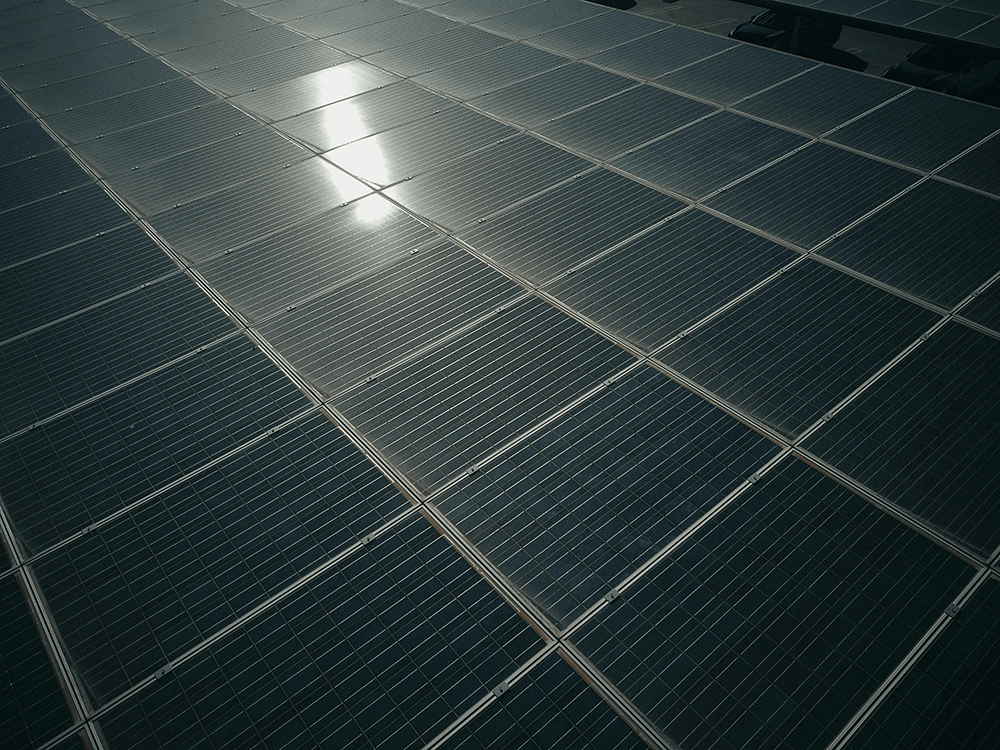
As Michigan homeowners increasingly seek to harness solar energy, selecting the right solar panel becomes essential for maximizing efficiency and performance. With the state’s unique climate and energy needs, understanding your options is crucial. Here’s a guide tailored to help Michigan residents choose the right solar panel for their homes.
1. Understand the Types of Solar Panels
There are three main types of solar panels, each with its own benefits:
- Monocrystalline Solar Panels: Renowned for their high efficiency, these panels are made from a single crystal structure. They perform exceptionally well in Michigan’s colder months and lower sunlight conditions, making them ideal for maximizing energy production year-round.
- Polycrystalline Solar Panels: Made from multiple crystal structures, these panels are generally less efficient but more affordable. Their performance may be slightly lower on cloudy days, which are common in Michigan, but they can still be a viable option for budget-conscious homeowners.
- Thin-Film Solar Panels: Lightweight and flexible, thin-film panels are less efficient than crystalline options but can perform better in high temperatures and low-light conditions. While they may not be the best choice for every Michigan home, they can be useful in specific applications, such as on curved surfaces or in shaded areas.
2. Evaluate Efficiency Ratings
In Michigan, where winter months can limit sunlight, choosing solar panels with higher efficiency ratings is essential. Look for panels with efficiency ratings between 15% to 22%. Higher efficiency panels will produce more energy in less space, helping you meet your energy needs even when sunlight is less abundant.
3. Consider Your Energy Needs
Assessing your household’s energy consumption is critical. Review your utility bills from the past year to determine your average monthly energy usage. In Michigan, where heating costs can be significant during winter, understanding your energy needs will help you calculate how many solar panels you’ll need to offset those costs.
4. Check for Durability and Warranty
Michigan’s weather can be unpredictable, with heavy snow and storms. Therefore, the durability of solar panels is paramount. Look for panels made with robust materials designed to withstand harsh conditions. Additionally, a reputable warranty (typically around 25 years) is a strong indicator of quality and reliability, ensuring that your investment is protected.
5. Research Brands and Manufacturers
Not all solar panels are created equal. Research reputable brands known for their quality and performance in Michigan. Look for manufacturers with a strong track record in the northern climate and check customer reviews and industry certifications to help guide your decision.
6. Inquire About Installation and Maintenance
The installation process is crucial for maximizing the performance of your solar panels. Choose a qualified local installer familiar with Michigan’s specific climate conditions. They can assess your roof’s orientation and angle to optimize panel placement, ensuring you capture the maximum amount of sunlight.
7. Understand the Cost and Financing Options
Solar panel costs in Michigan can vary significantly based on the type and brand, as well as installation expenses. It’s wise to obtain quotes from multiple installers to ensure competitive pricing. Additionally, explore financing options such as solar loans, leases, or power purchase agreements (PPAs) that can help make the investment more manageable.
8. Explore Local Incentives and Rebates
Michigan offers various incentives and rebates for solar energy installations, including the Federal Investment Tax Credit (ITC) and state-specific programs. Research local initiatives that can significantly reduce the upfront costs of purchasing and installing solar panels, making it more affordable to transition to solar energy.
Conclusion
Choosing the right solar panel for your home in Michigan is a vital step toward harnessing solar energy effectively. By understanding the different types of panels, evaluating efficiency, considering your energy needs, and exploring local incentives, you can make an informed decision that meets your goals. Embracing solar energy not only helps reduce your carbon footprint but can also lead to long-term savings on energy bills, especially during the harsh Michigan winters. With careful consideration, you’ll find the perfect solar solution to power your Michigan home sustainably.